About Ecosystem Alliance
At the Ecosystem Alliance, we explore the relationship between design, ecology, and biodiversity restoration asking not only what design can do for biodiversity, but what designers can learn from biodiversity. Ecosystems are complex, dynamic, and interconnected, and restoring them requires approaches that go far beyond the boundaries of any single discipline. There is a need to learn from each other to create meaningful impact and advance how we restore living systems collectively. Ecosystem Alliance asks in what ways can designers and ecologists co-create approaches that neither could achieve alone? How can methods, tools, and ways of thinking from one field inspire new practices in the other?
Biodiversity across multiple levels
Biodiversity functions across multiple scales, from microbes in the soil to entire landscapes, linking species, ecological processes, and human systems. Yet, we often overlook these interconnections when focusing narrowly on solutions. The more we learn from each layer of the system, the better we can anticipate and respond to change. Soil communities drive nutrient cycling and plant productivity; plants, insects, and pollinators sustain and shape habitats; and ecosystems as a whole provide resilience that supports both human and non-human life. Promoting the health of ecosystems, and the communities that depend on them, means working across these scales and understanding how our the effects if our actions cascade through the system.
Working with living landscapes
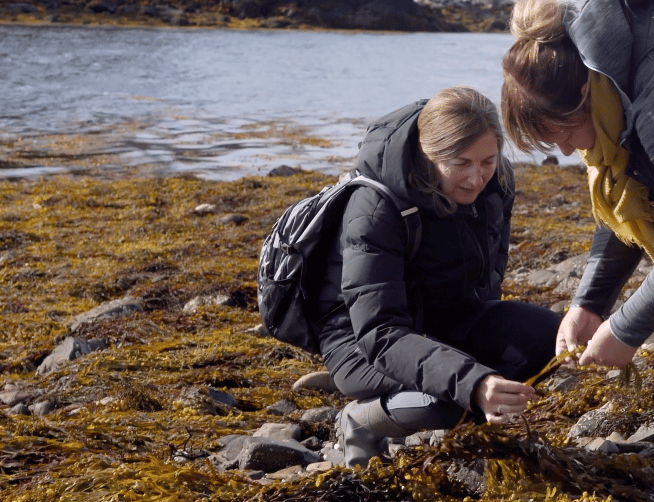
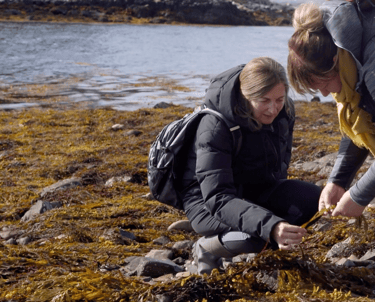
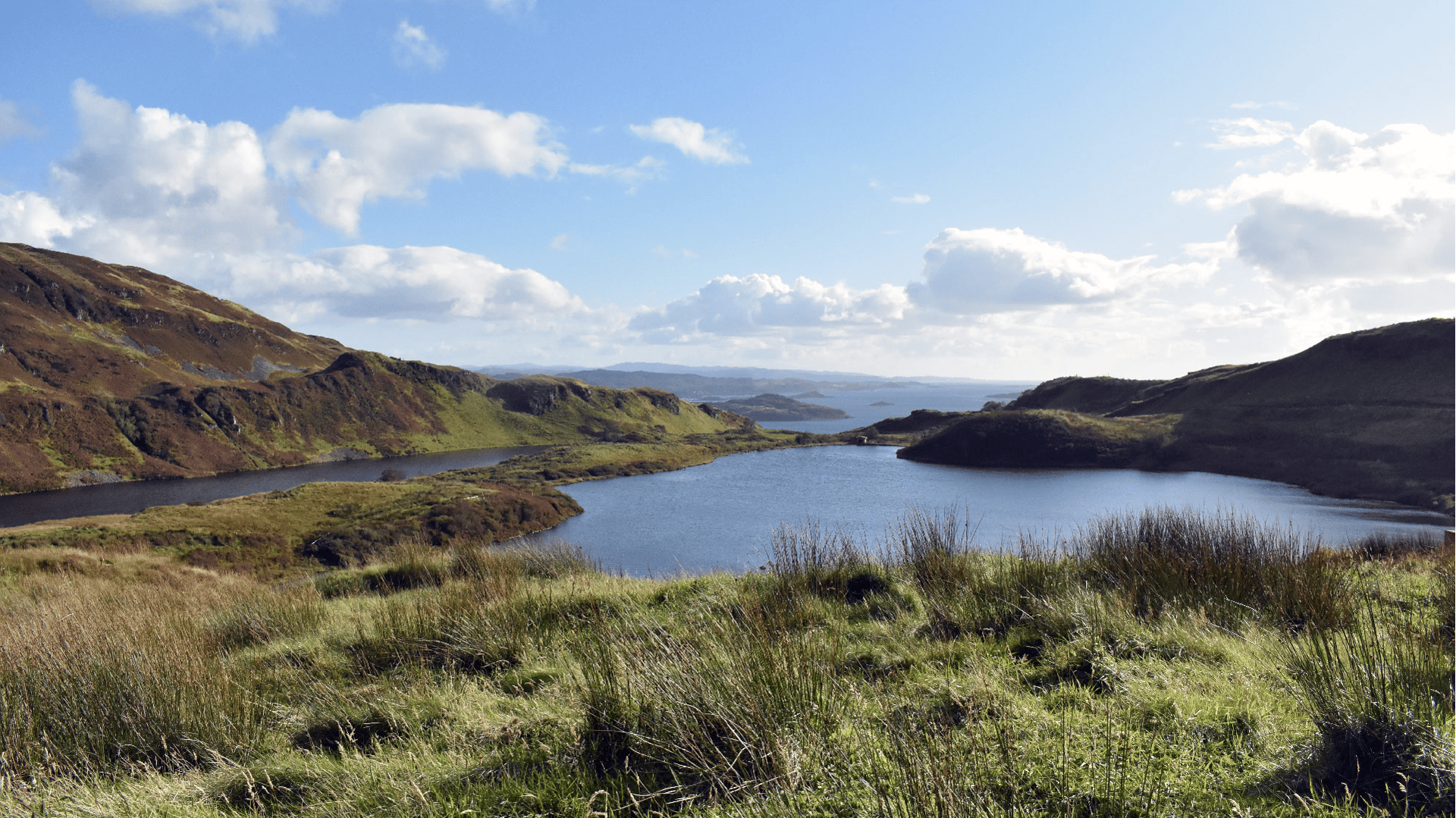
Working with living landscapes invites us to rethink disciplinary boundaries. Landscapes are not singular objects but dynamic networks of relationships connecting species, soils, water, and human communities. Every intervention creates ripple effects, some immediate, others unfolding over long timescales.
From this perspective, design engages with natural processes rather than seeking to control them by observing, learning, and creating testbeds to explore new ways of relating and living as part of the landscape. For ecologists, it means connecting with human communities, building bridges where knowledge, data, and stories can be shared, understood, and cared for. Between our disciplines, we need more bridges that enable collaboration, co-creation, and mutual learning, building networks of care, knowledge, and innovation that allow both humans and non-humans to thrive together.
Connecting ecosystems
Building alliances
The Ecosystem Alliance was founded by Barbara Smith (UK) and Judith van den Boom (NL), who, after years of working together as an ecologist and a designer, decided to take the next step: creating a space where disciplines can meet to foster meaningful collaboration, generate new knowledge, and develop novel approaches. The Alliance facilitates the need for activation and learning spaces where we can connect, engage in interdisciplinary work, and cultivate more meaningful collective action.
Their partnership deepened through time spent learning from, questioning, and challenging each other’s approaches, driven by a shared commitment to exploring how we can practice more effectively as a collective. Both Barbara and Judith have worked across diverse ecosystems worldwide, engaging with species, communities, and the complex interdependencies that define life. Their care for the living world and dedication to restoring biodiversity became the driving force behind the Alliance, which focuses on developing innovative methods and tools, as well as amplifying global practices committed to ecosystem health and the translation of ecological knowledge.
Blending knowledge
The Ecosystem Alliance recognises that designers and ecologists need each other to fully engage with living landscapes. By connecting human and non-human systems in new ways, we evolve our understanding and develop our disciplines together. Through this mutual exchange, we foster practices that are not only collaborative but regenerative, restoring ecosystems and human systems simultaneously, and enabling us to live and work in greater harmony with the complex landscapes we inhabit.
The Ecosystem Alliance embodies the philosophy of working whole systems, bringing together diverse perspectives to co-create, learn situated, connected and work ecologically and socially responsible. Through the Alliance, Barbara and Judith aim to cultivate an space where collaboration is not merely a method and biodiversity a condition, but a guiding principle to work from restoring ecosystems, supporting and enabling a community of practice, and developing methodologies for collaborative ecological processes.
Barbara Smith (PhD)
Barbara is an ecologist specialising in restoring biodiversity and ecosystem function across both natural and managed landscapes. Her research addresses pressing challenges such as biodiversity loss, climate change, and food security, using interdisciplinary and participatory approaches that connect science, policy, and community action. She led pioneering pollinator research in India, co-establishing the Centre for Pollination Studies at the University of Calcutta, and has guided co-designed, community-driven restoration projects. In the UK, she worked for many years developing interventions to restore invertebrate biodiversity in agricultural systems, with her research informing agri-environment policies.
Barbara is an Associate Professor at the Centre for Agroecology, Water and Resilience at Coventry University and a core member of the MA Regenerative Design at Central Saint Martins, UAL. Her research collaborations span industry and academic partners across the UK and Europe, with much of her work carried out on farms, where she has built strong, supportive networks. In her consultancy, she specialises in habitat restoration, particularly on aggregate sites, combining primary botanical research with partnerships involving industry, local communities, local authorities, and NGOs to deliver sustainable, lasting ecological outcomes.
With 25 years’ experience in applied ecology, Barbara has collaborated with a diverse range of organizations, including the BTO, Butterfly Conservation, the Natural History Museum, the Organic Research Centre, the Community Supported Agriculture Network, the Landworkers Alliance, FiBL (Switzerland), the Norwegian University of Life Sciences, and several UK universities, particularly the University of Edinburgh
Judith van den Boom
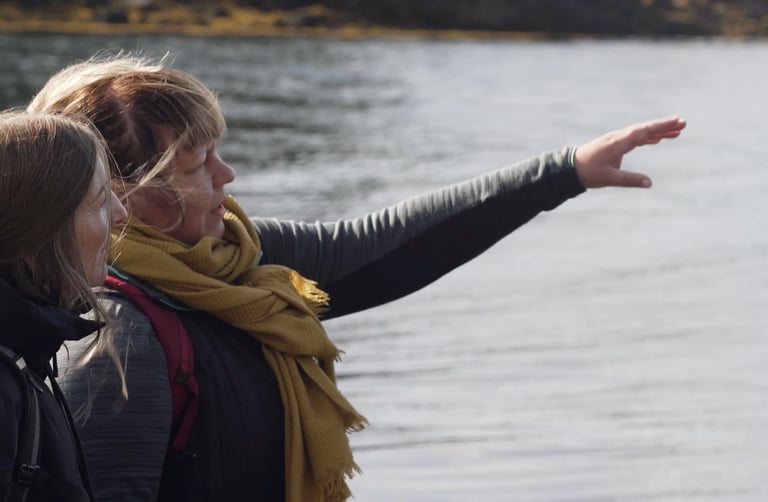
Judith is a designer, researcher, and educator working at the intersection of ecology and design. Her practice is driven by a commitment to fostering networks that cultivate new symbiotic relationships with the ecosystems that sustain us. She explores how regenerative design can evolve its role within living systems, reshaping practices, relationships, and modes of activation to support thriving futures for all species.
Through her PhD, developing at the MMU in Manchester, she is contributing new regenerative design relational tools for working with the -living- in living systems and expanding ecological knowledge for regenerative designers. Her research and leadership focuses on reimagining design as a means to strengthen living systems, exploring interdisciplinary approaches and nurture new forms of regenerative design practice. As Course Leader of the MA Regenerative Design (MARD) at Central Saint Martins, UAL, Judith leads an international community dedicated to place-based transformation and collective ecological practice.
With over 15 years of international design and education experience, Judith has lectured, mentored, consulted, and collaborated globally with a large part of her work in EU, UK, Canada and China. Her in-situ work with partners around the world has deeply shaped her perspectives and approaches. She is the co-founder of UFƟ Unidentified Facility, a research collaboratory, and a Bio-Leadership Fellow advancing nature-led leadership. Previously, she led Product Design at ArtEZ University of the Arts in Arnhem (NL), developed a PD design residency and build partnerships with institutes and practices including Slow Research Lab, Kyoto Design Lab, Design Inquiry, Design Innovation Group, Pratt Institute, CAMPER Lab, BioDesign Challenge, Bio-leadership Fellowship, and others.